UK Registered Charity 1122246
Company limited by guarantee number 05411110
Infections can generally be treated successfully with a single course of antibiotics, which may come in the form of creams, ointments, injections, or tablets. Many infections will even resolve themselves, but there have been increasing numbers of bacteria which are much more difficult to treat because they are able to resist different types of antibiotics. Thus when an infection is suspected, it is important to identify the risk it poses and, if significant, the nature of the infection and its sensitivity.
Zoonosis – the transmission of infection between animals and humans and vice versa – is a well-documented risk and is of particular relevance in resistant infections where the elderly and young are especially vulnerable. It is important to identify the origin of the infection. The pet, someone at home, a nurse or hospitalised relation? By identifying this, a programme of treatment and prevention of further spread can be put in place. For further information on this, refer to the BMF infection control guidelines and GRAM. These guidelines have been created by the charity’s top veterinary advisors in response to the wide-ranging approaches to infection control seen in everyday practice. Authors include veterinary and RCVS Practice Standards Scheme (PSS) Pam Mosedale, the late Louise O’Dwyer (RVN) and Edinburgh-based dermatologist Dr Tim Nuttall. Click here
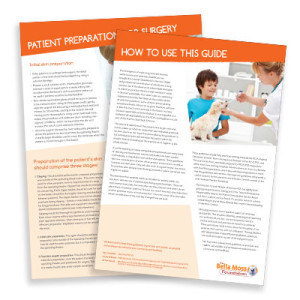
Improving infection control in a veterinary practice is not a task for an individual. Everyone has their part to play, from the vet to the cleaner and the implementation of practice hygiene control guidelines should be second nature to all staff. The tools provided by BMF, such as the guidelines and audit tool, will help in establishing protocols.
It will probably be helpful to start with a practice meeting of all staff to set out the aim of improving the practice’s antibiotic stewardship. Some specific actions will result from that, such as the Head Nurse completing an audit on a monthly basis.
Clinical audit is a useful tool for investigating the efficacy of your hygiene measures. Simple issues, such as monitoring post-operative infections for routine surgery, for example spaying and castration, can be a good indicator. This may be further enhanced by considering whether the routine use of peri-surgical antibiotics is really necessary. Good hygiene should make such use unnecessary, improving antibiotic stewardship and reducing costs.
For more on Gram by CEVA for guidance for rational antimicrobial use click here.
| Corporate Sponsor |
|---|
|
|
| Website Sponsor |
|
|